Your cart is empty


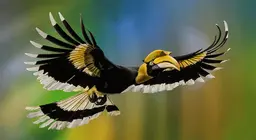
In this lesson, you will learn about the anatomy and reproduction of birds.

A lesson about the structure of fats and oils and their role in the human body
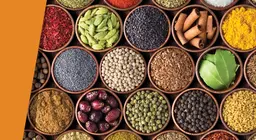
I bet I can disprove that different flavours are detected by different parts of your tongue.
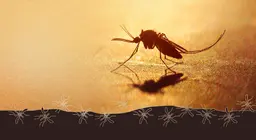
The most characteristic symptom of malaria is fever. The pathogen of the disease is spread by mosquitoes.


Menstruation is a natural part of the lives of girls and women from puberty until menopause.


Humans have 4 types of teeth: incisors, canines, premolars and molars.

Bacteria occur in a wide range of shapes, including spheres, rods and spirals.

The ribs, the sternum and the spinal column form the skeleton of the chest.

Eukaryotic cells contain a number of organelles.

Lymph vessels carry lymph to the blood vessels, while lymph nodes are integral parts of the immune system.

The pancreas and the liver empty digestive juices into the duodenum.

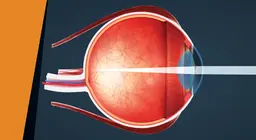
The eye is one of our most important sense organs. When stimulated by light, electric impulses are produced by its receptors.

This animation demonstrates the parts of the head, the trunk and the limbs.

The respiratory system is responsible for the intake of oxygen and the release of carbon dioxide.


Our body's internal support structure to which skeletal muscles are attached.

Skeletal muscles form the active part of the locomotor system: they move the bones they are attached to.

The heart is the central pump of the cardiovascular system beating several billion times over our lifetime.

The skin is the soft outer covering of our body, its three layers are the epidermis, the dermis and the hypodermis.

The central nervous system consists of the brain and the spinal cord, the peripheral nervous system consists of nerves and ganglia.

During voice production, the vocal cords are vibrated by the air flowing out of the lungs.