Your cart is empty


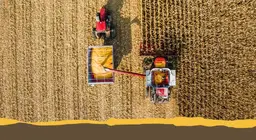
Get to know some of the plants that are grown in agricultural fields.
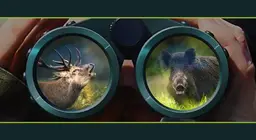
Learn about the red deer and the wild boar, two large animals that inhabit temperate deciduous forests.
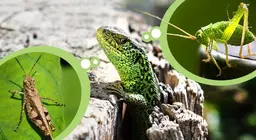
In summer, meadows are full of noisy bugs. Like always, if there are a lot of bugs, there will be a lot of animals feeding on them as well.
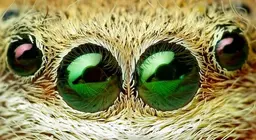
The European garden spider and the castor bean tick live at the shrub level of temperate forests.

In this lesson, you will learn about waterfront plants and what they can be used for.

In this lesson, you can learn about various herbs and spices.

Learn about animals inhabiting rivers, lakes and their shorelines.
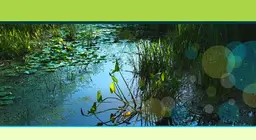
Near the waterfront, vegetation is greener and more abundant than in the centre of the lakes.
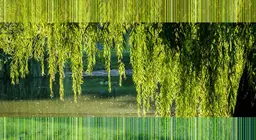
Environmental conditions, and therefore, vegetation along the shore are different from those in the water.
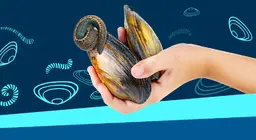
The muddy bottom of freshwater bodies provides home to numerous species.
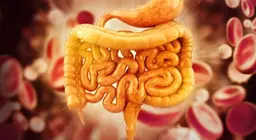
Interesting facts about your intestinal system
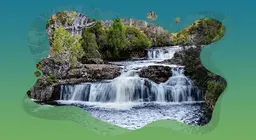
A lesson about microorganisms commonly found in lakes, rivers and streams.
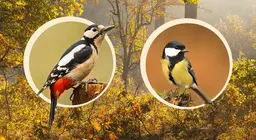
Like most bird species, the great spotted woodpecker and the great tit live in the foliage of trees and shrubs.
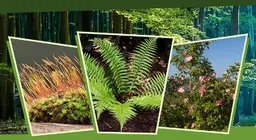
In this lesson, you can learn about the plants growing in the shrub, the herbaceous and the moss layer of deciduous forests.
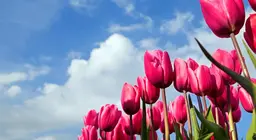
Tulips are popular ornamental plants. In this lesson, you can learn more about these beautiful plants.
In this lesson, you can learn about herbaceous plants and perform experiments.
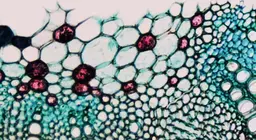
A lesson about the structure and characteristics of vascular plant tissues.
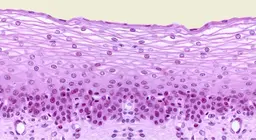
A lesson about the structure, role, significance and protection of human epithelium.
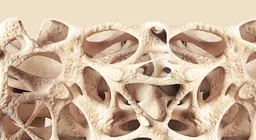
A lesson about the structure, types, role and protection of connective tissues.

The digestive system is responsible for separating the nutrients and unusable materials in the food we eat.

Learn about the middle and final sections of the digestive system.
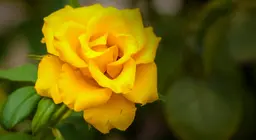
The rose is one of the most beautiful and most common ornamental plants. Learn about its characteristics.