Your cart is empty



Large carnivores, perhaps the best known of dinosaurs.
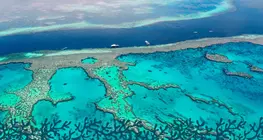
In this lesson, you will learn about one of the most beautiful and largest natural formations on Earth.
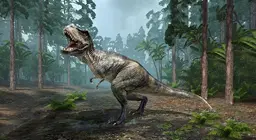
The lesson introduces you to the features of Tyrannosaurus rex.
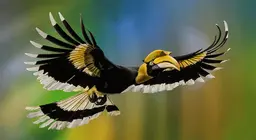
In this lesson, you will learn about the anatomy and reproduction of birds.


Unicellular eukaryotes living in freshwaters, capable of feeding autotrophically and heterotrophically.

This animation demonstrates the anatomy of spiders through the example of a common European species.


Chameleons are reptiles with an ability to change their colours.

This bizarre-looking fish uses its bioluminescent lure to catch its prey. The animation explains how it works.


Bottlenose dolphins are sea mammals which use ultrasound for orientation.

The life cycle of vertebrates starts with the production of the reproductive cells of an individual and ends with the production of the reproductive cells of the next generation.

This animation presents some animals and plants that lived between the Devonian and Permian periods (358–299 million years ago).

A hydrothermal vent is a fissure in the planet's surface through which geothermally heated water erupts.

Horses are domesticated odd-toed ungulates that are used for many purposes.


The loggerhead sea turtle is one of the most common species of turtles in the Mediterranean Sea.


The great spotted woodpecker highly depends on woodland habitat, which is reflected in its anatomy and lifestyle as well.

Find out interesting pieces of information about the communication of animals.
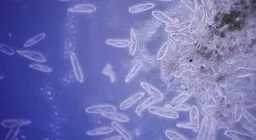
Let's catch a glimpse into the world of microscopic unicellular organisms!
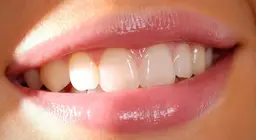
The lesson introduces you to various types of teeth and their functions.