Your cart is empty



Capsaicin is the substance responsible for the spicy heat of chilli peppers.
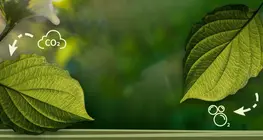
Photosynthesis occurs in chloroplasts and is a vital process for life on Earth.

Sugar cane, cultivated in tropical or subtropical regions, is the primary raw material for sugar production.
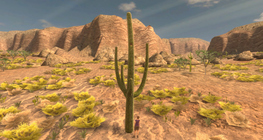
The saguaro is one of the tallest and best-known cactus species in the world. It is also the official state symbol of Arizona.
A lesson about gardens, plants and their organs.



A mushroom is the fleshy fruiting body of a fungus, made up from hyphae.

Certain mushrooms are poisonous and can be fatal for humans when consumed, while others are edible and used widely in cooking.

The two groups of angiosperms are monocots and dicots.

This animation compares the life cycles of mosses and ferns, helping to understand the general life cycle of plants.


This animation shows how trees change throughout the seasons, demonstrated by the example of English oaks.

Plants are capable of converting inorganic substances (carbon dioxide and water) into organic sugar.

This animation presents the main types of leaves and the differences between monocot and dicot leaves.

The animation demonstrates the different flower types of angiosperms.


These organs are vital for the survival and development of plants.


Black pepper is one of the world's oldest and best-known spices.
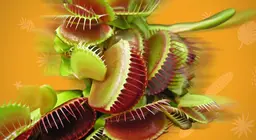
Plants also move. Although they do not have muscles, they can change the position of their organs.

Let's find out interesting facts about the flora and fauna of polar regions and the living conditions in those areas!
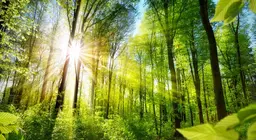
In this lesson you will find out where deciduous forests are located on the Earth and their fauna and flora.

A lesson about pepper plants, their anatomy and history.